Interior Lighting Design Guide: Create Beautiful Layered Lighting in Every Room

Interior lighting is one of the most powerful tools in home design — yet it is often overlooked. The right lighting can make a small room feel spacious, highlight your favorite decor, and set the perfect mood for any occasion. In this comprehensive style guide, we will teach you how to create a professional layered lighting design for every room using fixtures from LAMPCOZY.
Understanding the Three Lighting Layers
Professional designers divide lighting into three categories, and every well-lit room uses all three:
- Ambient (General): The foundation — usually ceiling-mounted fixtures, chandeliers, or recessed lights providing overall illumination
- Task (Focused): Purposeful light for activities — reading lamps, under-cabinet lights, vanity fixtures
- Accent (Decorative): Dramatic highlights for art, architectural details, or plants
Living Room: The Heart of the Home
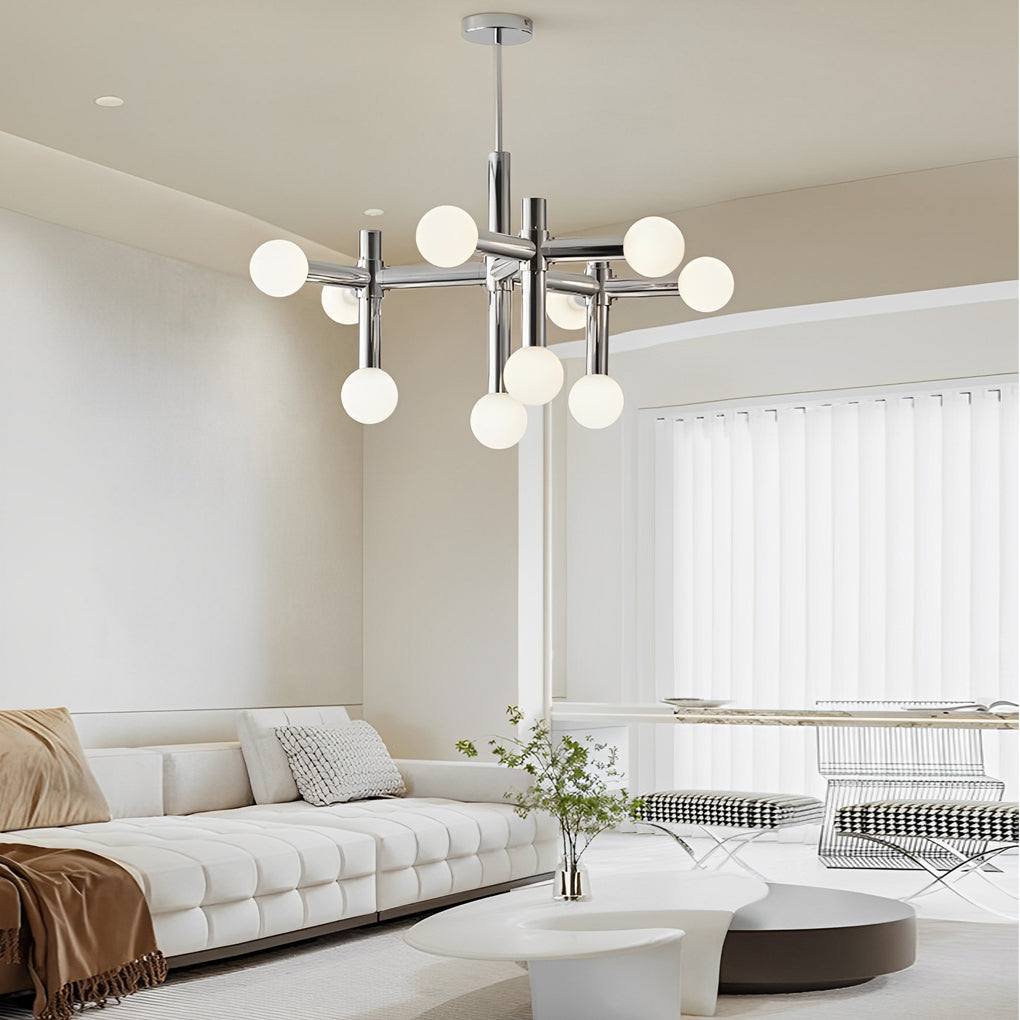
Living rooms need versatility. Combine a central chandelier or flush mount for ambient light, floor lamps for reading corners, and dimmable wall sconces to control the mood.
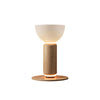
A dramatic focal point is the
Add flexible wall lighting with the 
Kitchen & Dining Zones
Kitchens require layered task and ambient lighting. Pendant lights over the island provide both function and style. Linear suspension fixtures work well over rectangular tables.
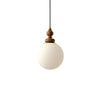
Hang pendants 30-36 inches above the island. The  is an excellent choice for kitchen islands.
The  adds a warm industrial touch.
Bedroom: Relaxation First
Bedrooms should be sanctuaries of calm. Avoid direct overhead glare and instead use dimmable ambient fixtures paired with directed task lighting for reading.
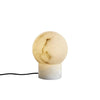
The  provides a soft, sculptural glow for nightstands.
For wall-mounted bedside reading, the  saves space and adds elegance.
Dining Room: Atmosphere Matters
The dining table is a natural gathering point. The right chandelier or pendant cluster defines the space. Choose a fixture about half to two-thirds the table width and hang it 30-36 inches above the table surface. Always install a dimmer for dinner party flexibility.
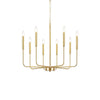
A stunning centerpiece is the 
Entryway & Hallways
Entryway lighting sets the tone for your entire home. Use a statement fixture that draws the eye upward, making the space feel larger and more inviting.
The  creates an artistic first impression.
Outdoor Living Spaces
Extend your design philosophy outdoors. Use wall sconces by the door, post lights along pathways, and solar or string lights for patios. Warm color temperatures (2700K-3000K) keep the space feeling cozy and inviting.
Light your entrance with the 
Color Temperature by Room
- 2700K-3000K (Warm): Living rooms, bedrooms, dining rooms — cozy and relaxing
- 3500K-4000K (Neutral): Kitchens, bathrooms, offices — clean and balanced
- 5000K-6500K (Daylight): Garages, workshops, utility areas — bright and alerting
Common Lighting Mistakes
- One source only: Overhead light alone creates harsh shadows — always layer
- Wrong scale: Too-small fixtures look cheap; too-large fixtures overwhelm
- Ignoring shadows: Without task light, kitchen counters and desks create deep shadows
- No dimmers: The single most affordable upgrade for perfect ambiance
- Mismatched color temps: Mix warm and cool light in the same room looks disjointed
Frequently Asked Questions
How many lights should I have in a living room?
Should all light fixtures in a house match?
What is the ideal distance between kitchen island pendants?
Can I mix warm and cool light in one room?
What height should wall sconces be mounted?
How do I choose the right chandelier size?
Discover curated lighting collections at LAMPCOZY.
-
Posted in
home decor, home improvement, lighting