LED Lighting 101: Understanding Lumens, Color Temperature, and Energy Efficiency

Introduction
LED lighting has revolutionized the way we illuminate our homes. Energy-efficient, long-lasting, and incredibly versatile, LED fixtures have become the standard for modern lighting. Yet many homeowners still find terms like "lumens," "color temperature," and "CRI" confusing. At LAMPCOZY, we're committed to helping you understand the technology behind your lighting choices. In this comprehensive guide, we'll demystify LED lighting fundamentals so you can make informed decisions for your home.
What Is LED Lighting?
LED stands for Light Emitting Diode. Unlike traditional incandescent bulbs that produce light by heating a filament, LEDs produce light when electrons move through a semiconductor material. This process is dramatically more efficient — LEDs convert up to 90% of their energy into light, compared to just 10% for incandescent bulbs (the remaining 90% is wasted as heat).
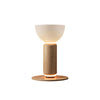
All LAMPCOZY fixtures use premium-grade LED chips that deliver consistent color, brightness, and longevity. Whether you're choosing the  for your living room or the
  for your bathroom, you're investing in decades of reliable, energy-efficient illumination.
Lumens: The True Measure of Brightness
For decades, we bought light bulbs based on watts. But watts measure energy consumption, not brightness. With LED lighting, lumens are the relevant measure. Here's a simple conversion guide:
- 450 lumens ≈ 40W incandescent — suitable for accent lighting
- 800 lumens ≈ 60W incandescent — standard room lighting
- 1100 lumens ≈ 75W incandescent — bright task lighting
- 1600 lumens ≈ 100W incandescent — very bright illumination
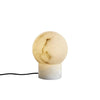
An LED fixture producing 800 lumens uses only about 9-12 watts — that's an 85% energy savings compared to a traditional 60-watt bulb. The  delivers bright, even illumination using integrated LED technology that maximizes light output while minimizing energy consumption.
Color Temperature: Setting the Mood
Color temperature, measured in Kelvin (K), describes the warmth or coolness of light. This is perhaps the most impactful factor in creating the right atmosphere for each room.
Warm White (2700K-3000K)
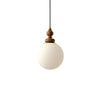
Warm white light has a cozy, yellowish glow similar to traditional incandescent bulbs. It's ideal for bedrooms, living rooms, and dining areas where relaxation is the priority. The  creates a warm, inviting ambiance perfect for dinner parties and cozy evenings at home.
Neutral White (3500K-4500K)
Neutral white offers a balanced, clean light that's neither too warm nor too clinical. It's the best choice for kitchens, bathrooms, and home offices where you need clear visibility without harsh glare. The  offers switchable color temperatures (3000K, 4500K, 6000K), letting you choose the perfect light for grooming tasks.
Cool Daylight (5000K-6500K)
Cool daylight mimics natural midday sunlight. It's excellent for garages, workshops, and task-oriented spaces where detail work is performed. This temperature enhances contrast and reduces eye strain during detailed tasks.
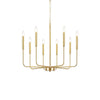
For maximum flexibility, many modern LAMPCOZY fixtures offer adjustable color temperature settings. The allows you to transition from warm ambient light for relaxation to cooler, brighter light for reading or working.
Color Rendering Index (CRI)
CRI measures how accurately a light source reveals the true colors of objects, on a scale from 0 to 100. Natural sunlight has a CRI of 100. For home lighting, look for fixtures with a CRI of 80 or higher. For spaces where color accuracy matters — like art studios, makeup areas, and kitchens — aim for CRI 90+.
LAMPCOZY fixtures are engineered with high-CRI LED chips that render colors naturally and vividly. Whether you're admiring artwork under the  or checking your outfit under the bathroom vanity light, high CRI ensures you see true, accurate colors.
Energy Efficiency: The Bottom Line
LED lighting's energy efficiency is unmatched. Here's what this means for your household:
Energy Savings
An average home with 30 light fixtures can save approximately $200-300 per year by switching from incandescent to LED. Over the 15-25 year lifespan of LED fixtures, that's $3,000-$7,500 in savings — enough to furnish a room with premium lighting.
Longevity
Quality LED fixtures last 25,000 to 50,000 hours. If you use a light for 5 hours per day, that's 13-27 years of operation. The  integrates a long-life LED module rated for tens of thousands of hours, providing reliable illumination and air circulation for decades.
Heat Reduction
LEDs produce very little heat compared to incandescent bulbs. This means your air conditioner works less in summer, and there's less risk of burns or fire hazards. LED fixtures are safe to touch even after hours of operation.
Understanding IP Ratings for LED Fixtures
IP (Ingress Protection) ratings indicate how well a fixture is protected against dust and water. For indoor use, IP20 is standard. For bathrooms and kitchens, look for IP44 or higher. For outdoor fixtures, IP65 or above ensures protection against rain and hose-directed water. The  features weather-resistant construction suitable for exposed outdoor locations.
The Future Is LED
As technology advances, LED lighting continues to improve. Smart LED fixtures now offer app control, voice activation through smart home assistants, and adaptive lighting that changes color temperature throughout the day to support your natural circadian rhythm. The represents this new generation of intelligent, connected lighting solutions.
Conclusion
Understanding lumens, color temperature, CRI, and IP ratings empowers you to choose lighting that perfectly suits each space in your home. LED technology offers unparalleled energy efficiency, longevity, and versatility — making it the clear choice for modern homeowners. Browse the complete LAMPCOZY LED collection to discover premium fixtures that combine cutting-edge LED technology with beautiful design.
Frequently Asked Questions
What does "integrated LED" mean?
Integrated LED fixtures have the LED chips built directly into the fixture rather than using replaceable bulbs. This allows for sleeker designs, better heat management, and often longer lifespan. While the LEDs eventually dim after 15-25 years, the convenience and performance advantages outweigh the lack of replaceability for many homeowners.
Can I use dimmable LEDs with any dimmer switch?
No. Dimmable LEDs require dimmer switches specifically designed for LED loads. Using an old dimmer designed for incandescent bulbs can cause flickering, reduced dimming range, or damage to the LED driver. Always check compatibility before installation.
Do LED lights attract bugs?
LEDs produce less UV light and heat than traditional bulbs, making them significantly less attractive to insects. Warm-colored LEDs (2700K-3000K) are particularly effective at minimizing insect attraction — a great benefit for outdoor lighting.
How do I dispose of LED lights?
LED lights contain small amounts of electronic components and should be recycled properly. Many hardware stores and municipal recycling centers accept LEDs. Unlike CFL bulbs, LEDs don't contain mercury, making disposal safer and simpler.
Is LED lighting worth the higher initial cost?
Absolutely. While LED fixtures may cost more upfront than traditional alternatives, the energy savings, longevity, and reduced maintenance costs make LEDs significantly more economical over their lifetime. Most LED fixtures pay for themselves within 1-2 years through energy savings alone.
-
Posted in
energy efficiency, home decor, home improvement, knowledge, LED, lighting